
Every great exhibition tells a story. Whether it’s an ancient artifact, a modern sculpture, or a local historical piece, how it’s displayed determines how audiences experience it. The foundation of that presentation often lies in the use of museum exhibit cases—fixtures that blend art, engineering, and design to preserve and showcase history.
Balancing Form and Function
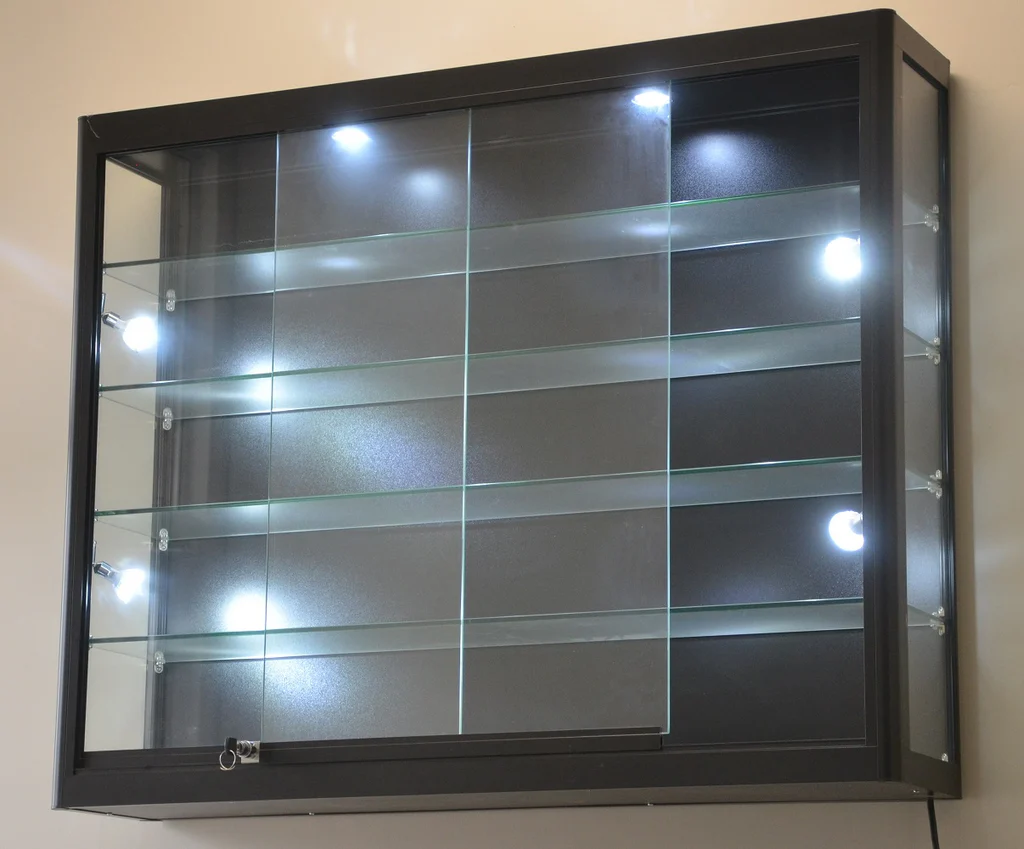
Exhibit cases are more than containers; they are storytelling tools. The right balance of design and engineering ensures that an artifact is protected while still commanding attention. This involves choosing materials that complement the display’s subject—clear glass or acrylic for visibility, metal frames for structure, and lighting that enhances detail without causing harm.
Museum cases are designed to disappear into their surroundings while elevating what’s inside. Clean edges, consistent finishes, and glare-free viewing allow the viewer’s focus to remain on the artifact, not the enclosure.
Creating Flow and Engagement
Visitor experience depends on how displays are arranged throughout a space. When cases are positioned thoughtfully, they guide movement and encourage curiosity. Angled layouts create a sense of invitation, while linear setups evoke structure and progression.
For curators, the goal is to control pacing. Some exhibits benefit from slow, deliberate exploration; others invite free movement. Museum exhibit cases, when properly arranged, provide that rhythm without the need for barriers or signage.
Lighting: The Subtle Art of Focus
Lighting is often the most underestimated aspect of display design. Soft, directional illumination adds dimension, bringing depth to textures and details that might otherwise go unnoticed. The key is subtlety—good lighting feels invisible yet transformative.
LED lighting integrated into exhibit cases is both energy-efficient and gentle on artifacts. Proper light temperature ensures that colors remain accurate while avoiding UV exposure that can degrade materials over time.
Craftsmanship and Longevity
High-quality exhibit cases are built to endure decades of use. Precision hinges, airtight seals, and durable finishes maintain integrity and appearance. Modular case systems are especially valuable for museums that rotate exhibitions, allowing them to adapt without full reconstruction.
Every material choice—from the glass type to the mounting base—affects how an item is preserved. The right craftsmanship ensures that an artifact can inspire visitors today and generations tomorrow.
An effective exhibition space doesn’t just display—it engages. When every fixture contributes to storytelling, visitors don’t just observe; they connect. Well-designed museum exhibit cases embody this philosophy, merging function, protection, and beauty to transform simple objects into living stories that stand the test of time.