
When the 2025 Los Angeles wildfire hit, it wasn’t just another headline—it was an all-hands emergency on a scorching, windy day. Let’s break down what went down, where the fire spread, how people responded, and what the future could look like for LA and nearby communities.
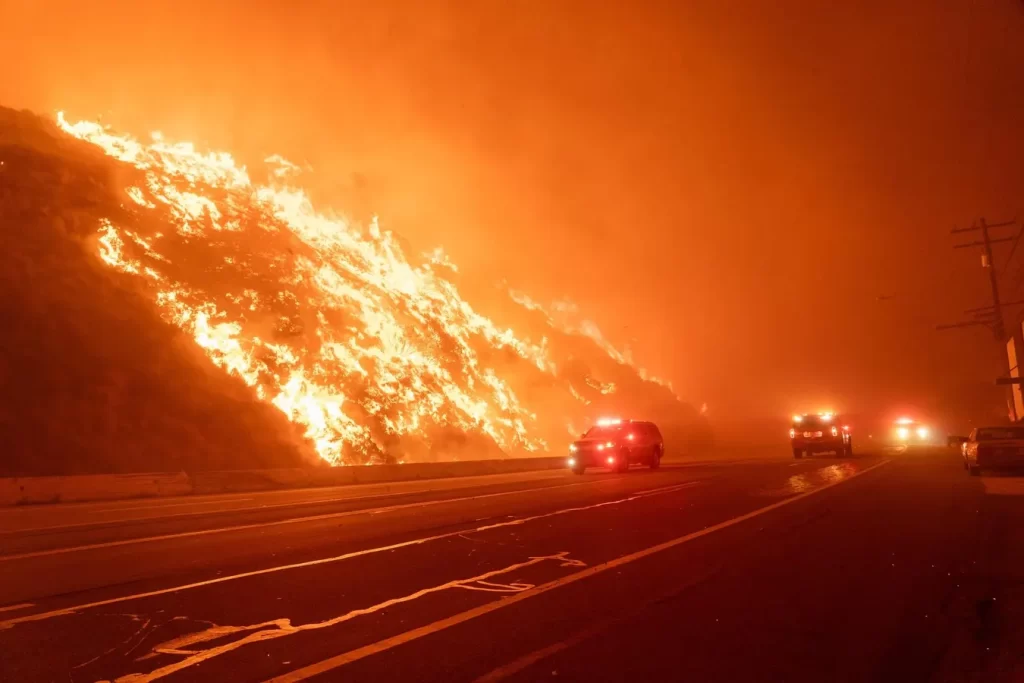
Quick Facts: The Fire at a Glance
What started it?
– A single spark (still under investigation), on a hot, dry afternoon
– Winds picked up, sending flames racing toward neighborhoods
– Firefighters moved fast, but spot fires kept popping up thanks to gusty conditions
Where did it go?
– The main burn zone: the urban–wildland edge, where homes meet hills
– Flames jumped into multiple communities and even crossed into neighboring counties
How did people react?
– Evacuation orders rolled out in stages, prioritizing the most at-risk areas
– Shelters sprang up, trying to keep families (and pets!) together and safe
– Coordination hubs juggled everything from traffic control to supply drops
For more detailed answers to common questions, check the official Orange County 2025 Wildfire FAQ.
Timeline: How the Fire Unfolded
Let’s make sense of the chaos with a quick play-by-play:
– Early Afternoon: Fire ignites; weather is worse than forecasted
– First Hour: Firefighters hit the scene; containment lines start going up
– Next Few Hours:
– Winds shift, flames leap firebreaks
– Spot fires appear in unexpected places
– Evacuation notices turn mandatory for some neighborhoods
– Evening:
– Aerial firefighting ramps up
– Road closures and utility shutoffs add new complications
– Overnight:
– Containment lines slowly hold
– Crews monitor for flare-ups
– Shelters and air quality advisories in full swing
On the Ground: Evacuations & Shelter Life
How Did Evacuations Work?
It’s not just “grab and go.” Here’s how it really played out:
– Evacuation routes:
– Marked in advance, but traffic jams happened
– Responders redirected people in real-time using live traffic data
– Checklists & Plans:
– Residents with plans got out faster
– Vulnerable folks (elderly, disabled) needed quick help from neighbors and responders
– Communication:
– Alerts went out by text, social, and good old-fashioned door knocks
– But, info sometimes lagged behind the actual conditions
Shelter Coordination—Not as Simple as It Sounds
– Capacity crunch:
– Some shelters filled up fast, forcing last-minute rerouting
– Logistics:
– Coordinators tracked beds, meals, and medical needs
– Pets were a big factor—many families wouldn’t leave without them
– On the fly fixes:
– Teams got creative: converting gyms, schools, even parking lots to safe spaces
– Communication between agencies was key, but sometimes got bogged down
Health Impacts: Smoke, Heat & Air Quality
Smoke in the Air
Ever tried to breathe during a wildfire? Not good.
– Air quality monitors:
– PM2.5 (tiny particles) soared way above safe levels
– Some neighborhoods lost visibility—ash rained down
– Health effects:
– Coughing, irritated eyes, trouble breathing
– Worst for kids, seniors, and anyone with asthma or heart issues
Heat Plus Smoke = Double Trouble
– Why it’s worse:
– High temps mean people breathe more, drawing in more smoke
– Even at night, pollution didn’t clear out—temperature inversions kept it low
– Outcomes:
– ER visits for breathing problems spiked
– Health alerts told people to stay inside, but not everyone had clean indoor air
Recovery & Policy: What’s Changing?
Steps Already Underway
– Debris clearing and road repairs:
– Tracked week-by-week on public dashboards
– Permits & Insurance:
– Some folks got fast-tracked, others hit red tape
– Big questions about insurance: Can people afford to rebuild? Will rates go up?
– Reforestation:
– New rules on how and when to plant trees
– Officials checking if contractors hit their targets
Policy Shifts to Watch
– Faster damage assessments and payouts
– Tighter building codes in fire-prone areas
– More transparent data sharing between agencies
– Discussions about making wildfire insurance more accessible
Next Steps: How You Can Prepare for Future Fires
Let’s keep it practical. Here’s your wildfire prep checklist:
– Evacuation Plan:
– Know two ways out of your neighborhood
– Set a family meeting spot
– Practice your plan—don’t just talk about it
– Home Hardening:
– Clear dead plants and leaves
– Trim trees and shrubs away from your house
– Install ember-resistant vents if you can
– Emergency Kit:
– Water, meds, chargers, important documents
– Include N95 masks for smoke
– Stay Informed:
– Sign up for local alerts
– Follow real-time air quality updates
– Insurance & Recovery:
– Review your coverage now
– Document home improvements and keep receipts
Final Thought
The 2025 LA wildfire was a wake-up call, but it’s also a chance to get better prepared—at home, in policy, and across communities. Are we ready for the next big one? That’s up to all of us.