
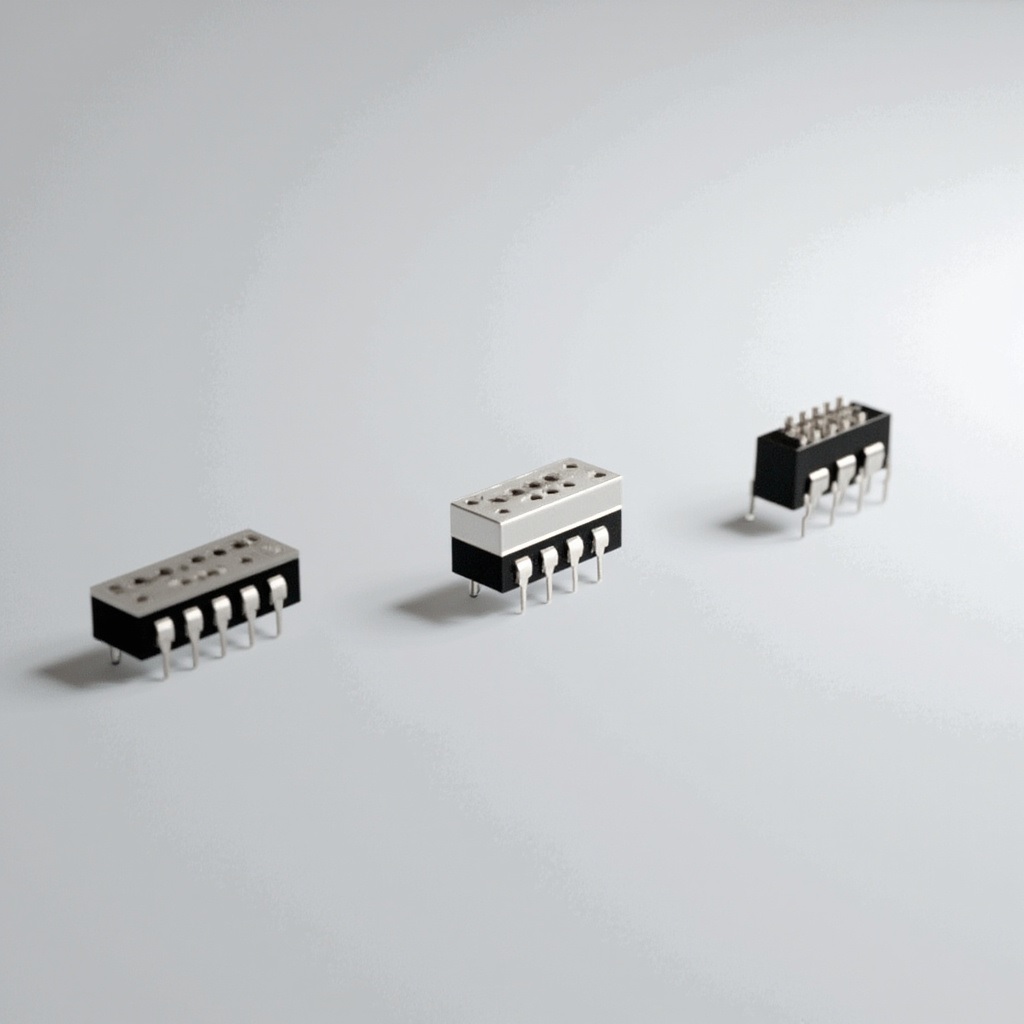
If you’ve ever had to choose between a basic micro switch and a subminiature switch for a project, you already know the decision isn’t as simple as picking the smaller one. Size matters, sure, but performance is where the real trade-offs live. I’ve been in the trenches with both types, and here’s the honest breakdown: one isn’t universally better than the other. They’re built for different battles.
Let’s start with the obvious. A basic micro switch is the workhorse of industrial applications. Think of it as the reliable, slightly bulky friend who never complains about heavy lifting. These switches typically handle higher electrical loads, offer longer mechanical life cycles, and come with a wider variety of actuator options. You’ll find them in vending machines, automotive door locks, and HVAC systems where space isn’t a premium but durability is non-negotiable. The contact gap is larger, which means they can handle more current without arcing issues. For applications where you need a crisp, audible click and a switch that can survive millions of cycles, the basic micro switch is your safe bet.
Now, flip the coin to the subminiature switch. This little guy is the ninja of the switch world. It’s designed for tight spaces—think PCB-mounted applications, medical devices, or modern consumer electronics where every millimeter counts. The performance trade-off? Lower current ratings and a shorter mechanical life compared to its bigger sibling. But here’s the kicker: in the right application, that doesn’t matter. If you’re designing a smart thermostat or a portable gaming controller, you don’t need a switch that can handle 10 amps. You need precision, a low actuation force, and a footprint that doesn’t force you to redesign the entire board.
I’ve seen engineers try to cram a basic micro switch into a compact enclosure and then wonder why the assembly fails. It’s a mismatch of priorities. The subminiature switch from Unionwell, for example, offers a contact rating that’s perfectly adequate for low-voltage signal switching, and its reduced size allows for more design flexibility. But if you push it beyond its rated current, you’ll get contact welding or premature failure. That’s not a flaw—it’s physics.
Here’s where the performance comparison gets interesting. The basic micro switch typically has a higher operating temperature range and better resistance to vibration. That’s because the internal mechanism is more robust. The subminiature switch, by contrast, relies on tighter tolerances and often uses a different spring design to achieve its compact form. That means it’s more sensitive to environmental extremes. If your application involves heavy machinery or outdoor exposure, don’t skimp on size. Go basic.
But if your priority is miniaturization without sacrificing reliability for low-power circuits, the subminiature switch wins. I’ve used Unionwell’s subminiature series in a prototype for a wearable medical patch, and the performance was spot-on for the application. The key is matching the switch’s specs to your actual load requirements, not just picking the one that looks better on paper.
One more thing: cost. Basic micro switches are generally cheaper per unit because they’ve been mass-produced for decades. Subminiature switches can be slightly more expensive due to the precision manufacturing required. But if the subminiature switch saves you from needing a larger enclosure or a custom PCB layout, the total system cost often comes out lower.
So, which one should you choose? Ask yourself two questions: How much space do you have, and how much current do you need to switch? If the answer is “plenty of space and more than 5 amps,” go basic. If it’s “barely any space and under 2 amps,” go subminiature. And if you’re somewhere in the middle, test both. Unionwell offers samples for both lines, and I’ve found that real-world testing beats any datasheet comparison.
Size and performance aren’t enemies. They’re partners in a balancing act. Choose wisely, and your project will thank you.