
A commercial roof is one of the most valuable parts of any property, making regular maintenance essential for long-term performance. Scheduled commercial roofing maintenance programs help protect roofing investments by identifying minor concerns before they become expensive repairs. A well-maintained roof supports safety, improves durability, and extends its service life while reducing unexpected maintenance costs.
Why Scheduled Roof Maintenance Matters
Routine inspections and preventive care provide lasting benefits for commercial properties. Consistent attention helps roofing systems perform efficiently throughout changing conditions.
Key advantages include:
- Extends the overall lifespan of the roof.
- Helps prevent costly emergency repairs.
- Reduces the risk of water intrusion.
- Maintains structural integrity.
- Improves energy efficiency.
- Supports consistent property value.
- Minimizes unexpected business interruptions.
- Encourages early problem detection.
Essential Components of a Maintenance Program
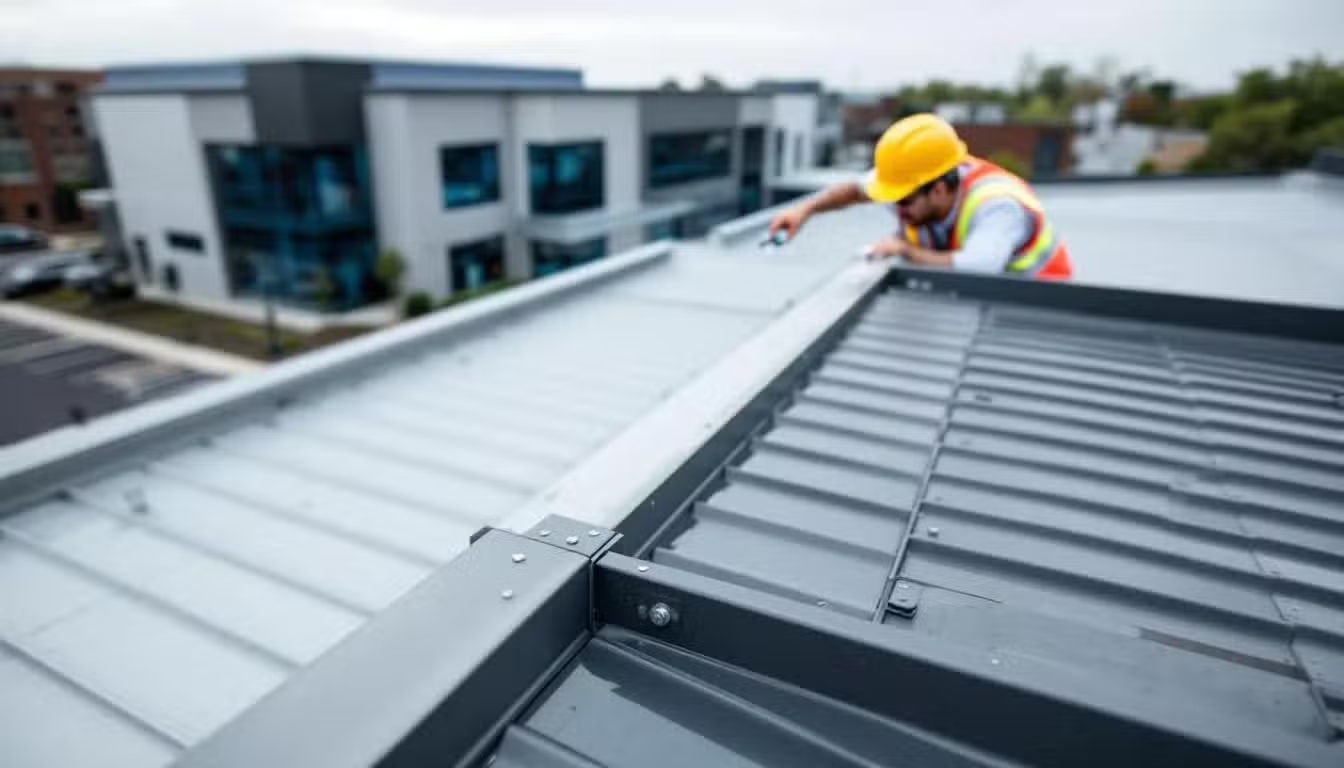
A structured maintenance plan focuses on preventing damage instead of reacting to it after problems appear.
Regular inspections should include:
- Checking for damaged or loose roofing materials.
- Inspecting flashing and roof edges.
- Examining drainage systems for blockages.
- Looking for signs of standing water.
- Identifying surface wear and tear.
- Monitoring sealants around roof penetrations.
- Inspecting expansion joints.
- Recording roof conditions for future comparisons.
Preventive Maintenance Tasks
Small maintenance efforts make a significant difference in preserving roof performance.
Recommended maintenance activities:
- Removing leaves and debris.
- Cleaning drainage pathways.
- Sealing small cracks before they expand.
- Replacing worn protective components.
- Tightening loose materials.
- Addressing minor weather-related damage promptly.
- Keeping rooftop equipment areas clean.
- Scheduling seasonal inspections.
Financial Benefits of Routine Maintenance
Preventive care delivers long-term savings while protecting valuable assets.
Cost-saving benefits include:
- Lower repair expenses over time.
- Reduced likelihood of major roof replacement.
- Better budgeting through planned maintenance.
- Improved operational efficiency.
- Greater return on roofing investment.
- Fewer unexpected maintenance disruptions.
- Enhanced protection for interior assets.
Signs That Maintenance Should Be Scheduled
Recognizing early warning signs allows issues to be addressed before they grow.
Watch for:
- Water stains inside the building.
- Ponding water after rainfall.
- Cracked or deteriorating sealants.
- Loose roofing materials.
- Clogged drains.
- Visible surface damage.
- Increased indoor moisture.
- Aging roof components.
Building a Long-Term Roofing Strategy
A scheduled maintenance program creates confidence through consistent care and ongoing monitoring. Regular inspections combined with preventive maintenance help maximize roof performance while reducing unnecessary expenses. Investing in planned maintenance also supports safer operations, improved reliability, and greater peace of mind for property owners and managers. Choosing a proactive approach allows roofing systems to remain dependable year after year. Consistent maintenance strengthens overall building protection, preserves valuable investments, and promotes lasting performance. Whether managing a single property or multiple facilities, scheduling regular roof care is a practical decision that delivers measurable value. For professional guidance and dependable maintenance solutions, call now to keep your commercial roof performing at its best.